

If you are exploring ways to enjoy more natural light and expand your living space, you have probably come across the terms solarium and sunroom. At first glance, they may sound like the same thing, but there are a few important differences.
Both are designed to bring in sunlight and create a more open, relaxing feel in the home. However, they differ in construction, appearance, insulation, comfort, and how they are typically used.
Understanding those differences can help you decide which option makes the most sense for your home, lifestyle, and budget.
What Is a Sunroom?
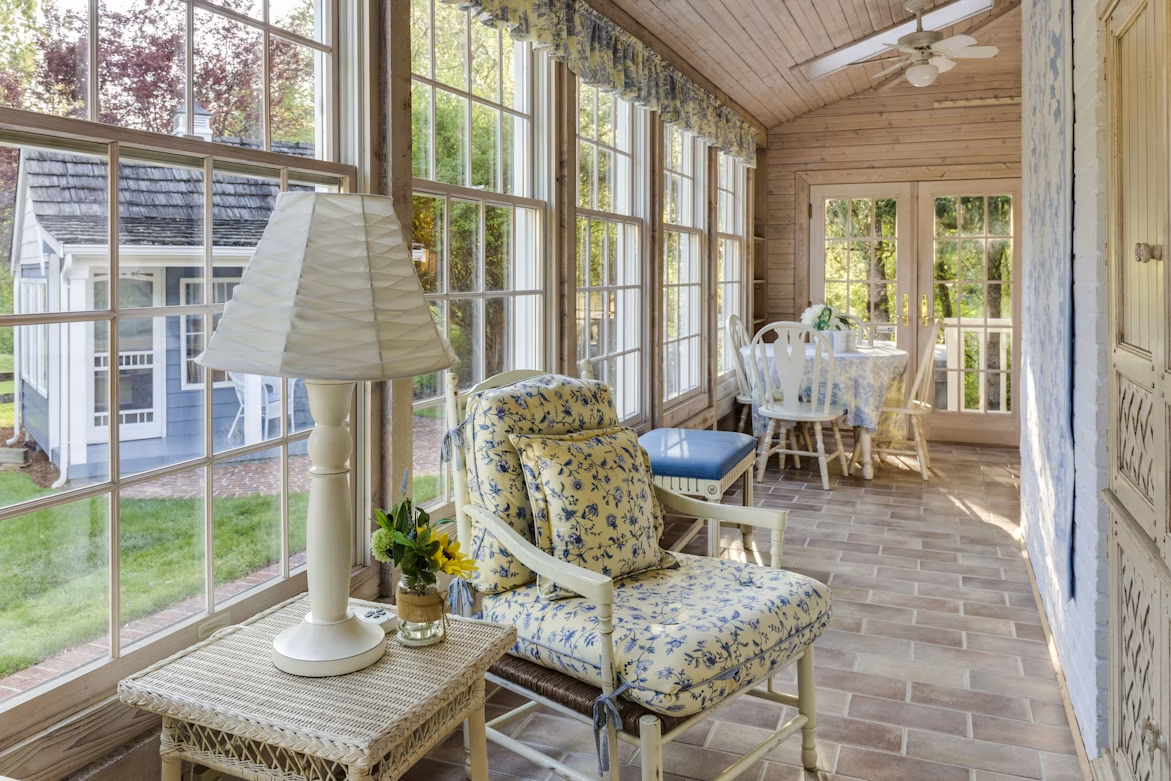
A sunroom is a room addition or enclosed space designed to let in plenty of natural light while still feeling like an extension of the home.
Sunrooms usually have:
- large windows
- solid walls or framed sections
- a traditional roof
- more insulation than glass-heavy enclosures
Depending on the design, a sunroom may be used as:
- a sitting room
- a casual living area
- a breakfast space
- a reading room
- a bonus entertaining area
Some sunrooms are built for year-round use, while others are more seasonal.
What Is a Solarium?
A solarium is typically a glass-enclosed space designed to maximize sunlight from nearly every angle.
Unlike a traditional sunroom, a solarium often features:
- glass walls
- a glass roof or large overhead glass sections
- a more open, dramatic appearance
- a stronger emphasis on panoramic views and natural light
Solariums are often chosen by homeowners who want a bright, airy space with a more architectural or luxury feel.
The Main Difference Between a Solarium and a Sunroom
The simplest way to explain it is this:
- a sunroom usually has more traditional construction with large windows and a standard roof
- a solarium usually includes more glass overall, often including the roof itself, done in glass
That extra glass creates a different look and feel, but it can also affect comfort, privacy, and energy performance.
Solarium vs. Sunroom: Key Differences
1. Amount of Glass
A solarium typically includes more glass than a sunroom, especially overhead.
A sunroom may still feel bright and open, but it usually has a more conventional roof and more framed structure.
2. Overall Appearance
Sunrooms often look like a natural extension of the home.
Solariums tend to have a more dramatic, modern, or conservatory-style appearance due to the expanded glass design.
3. Temperature Control
Because solariums have more glass exposure, they can sometimes be more affected by heat gain and sunlight intensity.
Sunrooms may be easier to keep comfortable, depending on how they are built, insulated, and ventilated.
4. Privacy
A sunroom may offer more privacy because it often includes more framing, solid roof coverage, or window placement options.
A solarium can feel more open and exposed, which some homeowners love, and others may find less practical.
5. Cost
In many cases, a solarium can cost more than a traditional sunroom because of the additional glass, specialized design, and installation requirements.
The total cost for either option depends on:
- size
- materials
- roof design
- insulation
- HVAC needs
- whether it is a new addition or an enclosure conversion
Which One Gets More Natural Light?
A solarium usually brings in the most light because of the larger glass surface area, especially if the roof is also glass.
A sunroom still provides abundant sunlight, but usually in a more controlled way.
For many homeowners, the right choice is not simply about which room gets more light. It is about finding the right balance between light, comfort, function, and maintenance.
Which Option Is Better for Everyday Living?
That depends on how you want to use the space.
A sunroom may be a better fit if you want:
- a casual family room
- a more traditional design
- easier climate control
- a room that blends naturally with the home
A solarium may be a better fit if you want:
- maximum sunlight
- expansive outdoor views
- a striking visual feature
- a space designed more around atmosphere and aesthetics
What About Porch Enclosures?
For many homeowners, the real question is not just solarium vs. sunroom. It is whether a porch or patio enclosure may be the smarter solution.
An enclosure system can help create a bright, comfortable space without the complexity or cost of a full room addition. It can also offer flexibility, airflow, protection from the elements, and a more usable indoor-outdoor living experience.
This is why many homeowners choose enclosure solutions when they want to upgrade an existing porch, patio, or outdoor room.
Which One Is Right for Your Home?
When choosing between a solarium and a sunroom, think about:
- how often you plan to use the space
- your comfort expectations throughout the year
- your budget
- the style of your home
- your privacy preferences
- whether you want a full addition or an enclosure-based solution
A solarium and a sunroom both create bright, inviting spaces, but they are not the same. A sunroom typically offers a more traditional structure with lots of windows, while a solarium usually features more glass and a more dramatic design.
If your goal is to enjoy more light, better views, and a more comfortable connection to the outdoors, it is worth exploring all your options, including porch and patio enclosures.